Residential Drain Cleaning Tips to Prevent Weekend Plumbing Disasters
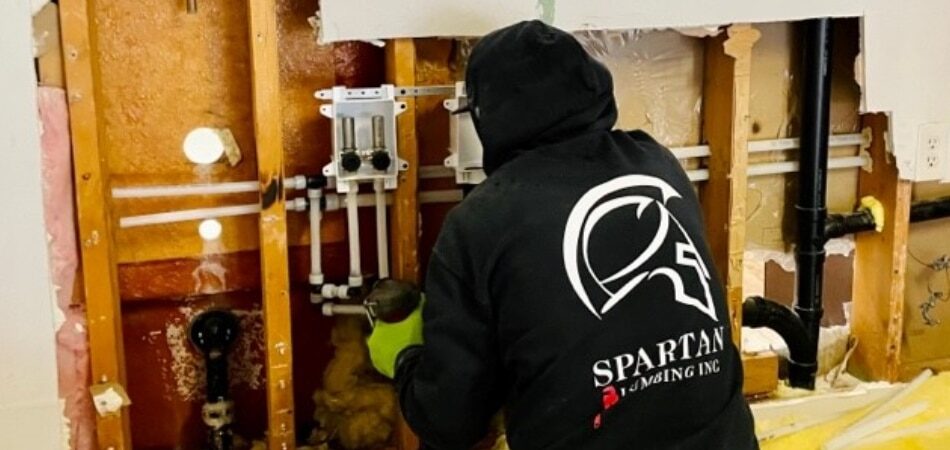
There is a certain pattern to household plumbing trouble. It rarely shows up at 10:00 on a quiet Tuesday when supply houses are open and every plumber in town is within reach. It tends to arrive late on a Friday, halfway through a family dinner, or early Sunday morning when someone takes a shower and the tub starts filling from the drain instead of emptying through it. By then, what began as a slow kitchen sink or an occasional gurgle has become a small domestic emergency.
Most weekend plumbing disasters do not begin with a broken pipe. They begin with neglect. A drain that clears a little slower each week is giving notice. A bathroom sink that smells sour is sending a message. So is a toilet that burps when the washing machine drains, or a shower that leaves a shallow pool around your ankles. Residential drain cleaning, done consistently and with some judgment, prevents many of those calls for help.
Homeowners often think of drains as passive parts of the house. Water goes in, waste goes out, end of story. In practice, a residential drainage system is a working network that depends on flow, slope, venting, and material behavior. Soap residue hardens. Grease cools. Hair tangles. Food waste swells. Mineral scale narrows pipe walls. Small obstructions create rough spots, and rough spots trap more debris. What seems minor in March can become a backup by July.
The good news is that prevention is far less dramatic, and far less expensive, than emergency service.
What usually clogs a drain in a real home
The cause depends on the fixture. Kitchen lines typically fail because of grease, cooking oils, starches, coffee grounds, and food scraps that should have gone into the trash or compost. Garbage disposals make the problem less visible, not less real. They grind waste smaller, but they do not make it disappear. A disposal can turn fibrous vegetables, rice, eggshells, and grease into sludge that settles farther down the line.
Bathroom drains tell a different story. Hair is the obvious culprit, but it is rarely acting alone. Hair binds with soap scum, toothpaste residue, shaving cream, and hard water deposits. That mixture can cling to the walls of a trap and build into a felt-like obstruction. In homes with long-haired family members or pets bathed indoors, shower and tub drains can tighten up much faster than owners expect.
Laundry drains fail in quieter ways. Lint bypasses filters, detergent residue accumulates, and older standpipes can struggle if a modern washer discharges quickly. Floor drains in basements often clog because they are ignored for years, then suddenly expected to handle overflow during a storm or a water heater leak.
Then there is the main drain line, the one homeowners rarely think about until several fixtures back up at once. When a shower, toilet, and lower-level drain start acting up together, the problem may be deeper in the system. Tree roots, a settled pipe, a belly in the line, or years of accumulated buildup can all be responsible. At that point, household fixes tend to be temporary at best.
The early warning signs worth taking seriously
One of the easiest ways to prevent a weekend disaster is to stop treating odd drain behavior as normal. Drains do not usually improve on their own. A line that is partially restricted may continue to function for weeks, but every use narrows the margin.
Watch for a slow drain that affects the same fixture repeatedly. A single slow sink can be a local clog. If more than one fixture in the same area is sluggish, look wider. Listen for gurgling after flushing a toilet or draining a tub. That sound often means trapped air is being displaced through water because flow is restricted somewhere in the branch line or beyond it. Smell matters too. A stale, sewer-like odor near a sink or shower often points to buildup inside the drain, though it can also indicate a dry trap in an infrequently used fixture.
The most important warning sign is interaction between fixtures. Flush a toilet and the tub bubbles. Run the washing machine and the basement floor drain gets wet. Use one sink and hear another one complain. Those are not quirks. They suggest the system is struggling to move water through a shared section of pipe.
A homeowner once described her kitchen sink as "mostly fine except on pasta night." That detail said a lot. Hot, starchy water and food scraps were enough to push a nearly blocked line over the edge. The sink would drain eventually, so the issue kept getting postponed. By Saturday evening of a holiday weekend, the kitchen line had shut down completely, and the dishwasher discharge had nowhere to go but back into the sink. The repair was straightforward, but the timing turned an ordinary service into an expensive emergency.
Why store-bought drain cleaners are not a maintenance plan
Chemical drain cleaners persist https://www.podbean.com/user-nmYw6kS8wTwV because they promise speed. Pour, wait, flush, problem solved. Sometimes they do eat through enough soft organic matter to restore limited flow. Just as often, they create new problems.
Caustic and acidic cleaners can sit in a clogged line without fully clearing it. That leaves corrosive liquid trapped in the pipe, or standing in the fixture, where it can damage finishes and complicate later work. If a plumber has to open a trap or cable the line, that chemical exposure becomes a safety issue. Older metal piping can be especially vulnerable. Even when a cleaner works once, it does not remove the whole mass. It may burn a narrow path through the clog while leaving residue attached to pipe walls, ready to close again.
Enzyme-based cleaners are gentler, but they are not magic either. They can be useful for ongoing maintenance in specific settings, especially where organic film is the issue, but they work slowly and depend on regular use. They are not a rescue tool for a sink that is already standing full.
If there is one broad rule worth following, it is this: use mechanical cleaning and prevention first, chemistry last, and never mix products. Combining cleaners can create dangerous fumes and heat. That is not an abstract risk. It is a very real one.
The simple habits that keep drains open
Good Residential Drain Cleaning starts before anything enters the pipe. Most households do not need elaborate maintenance. They need better daily habits and occasional hands-on cleaning.
Here are the five practices that prevent the highest number of clogs:
- Keep grease, oil, and pan drippings out of the kitchen drain, even if you run hot water afterward.
- Use hair catchers in showers and tubs, then empty them regularly instead of waiting until water pools.
- Scrape plates into the trash or compost before rinsing, especially foods like rice, pasta, peels, and coffee grounds.
- Flush bathroom sink pop-up assemblies and stoppers with hot water after grooming, because paste and shaving residue build fast.
- Run plenty of water when using a garbage disposal, and treat the disposal as a convenience, not a second trash can.
These habits sound almost too basic, which is why people ignore them. But the line between a drain that performs well for ten years and one that clogs every season is often a series of small choices repeated every day.
There is also a pacing issue. A drain can only move so much water and waste at once. Holiday cooking, back-to-back showers, multiple laundry loads, and dishwasher cycles can overwhelm a line that is already partially narrowed. If your house has older plumbing, spacing out heavy water use is a practical form of prevention.
A monthly routine that actually helps
Drain maintenance does not need to become a household ritual. Once a month is enough for most homes, and the work takes less time than dealing with a backup.
Start in the kitchen. Remove and rinse sink strainers. If the sink has a disposal, switch off power at the wall switch and clean the rubber splash guard from above with a brush or cloth, because sludge collects underneath its folds. Flush the drain with very hot water, not boiling water if you have PVC and especially not into an empty porcelain fixture straight from a kettle. The goal is to soften residue and carry it away, not shock materials.
Move to bathroom sinks and tubs. Pull out visible hair from stoppers and strainers. Many sink stoppers lift out with a simple twist or rod release. Homeowners are often surprised by how much buildup sits directly under the stopper, where no liquid cleaner ever reaches effectively. Clean that area physically, reassemble it, then run warm to hot water for a minute or two.
For showers, a plastic drain zip tool can be effective on shallow hair clogs near the opening. It is inexpensive, simple, and far safer for the pipe than aggressive chemical use. Use it gently. If you feel firm resistance deep in the line, forcing it can compact the obstruction rather than remove it.
Do not forget lesser-used fixtures. Guest bathrooms, basement sinks, and floor drains can dry out or collect sediment. Pouring water into an infrequently used drain helps maintain the trap seal, which blocks sewer gas from entering the room. In a dry utility area, a cup or two of water every few weeks may be enough.
The difference between a minor clog and a system problem
Many homeowners waste time attacking the wrong part of the system. If one sink is slow, a local clog is the likely culprit. If a plunger or trap cleaning restores normal flow, that is routine maintenance. But when symptoms spread, the diagnosis should widen.
A kitchen sink that backs up only when the dishwasher drains may still be a kitchen branch issue. A first-floor toilet and shower acting up together could indicate a shared line obstruction. If the lowest fixtures in the home show problems first, especially a basement shower or floor drain, suspect the main line. Gravity makes the lowest opening the first place wastewater appears when the house drain cannot move it outward.
That distinction matters because it affects risk. A local sink clog is inconvenient. A main line stoppage can contaminate finished spaces, damage flooring and drywall, and create sanitation concerns. It also changes what a homeowner should attempt. Pulling a trap and clearing a visible blockage is reasonable. Trying to solve a root-intruded sewer line with retail tools is not.
Tools every homeowner can use safely
You do not need a van full of equipment to handle basic drain upkeep, but a few simple tools help a great deal. A sink plunger, not the larger flange plunger meant for toilets, is useful for lavatories and kitchen sinks. A drain zip tool handles hair near the opening. A bucket, gloves, old towels, and slip-joint pliers make trap cleaning manageable under a sink. A flashlight matters more than people think, because seeing the layout under a cabinet prevents a lot of awkward mistakes.
For toilets, use a flange plunger and enough patience to create a real seal. Many people jab at the bowl for ten seconds and call plunging a failure. It works better with controlled, repeated strokes and a full seal over the outlet. If a toilet remains resistant, a closet auger is the correct next step, not a wire hanger or improvised rod that can scratch porcelain or damage the trapway.
Small hand augers have their place, but they are not universal solutions. Used carelessly, they can kink, get stuck, or damage delicate finishes. Homeowners who are comfortable using them should still match the tool to the fixture and stop when the resistance suggests a bigger issue.
When hot water and plungers are enough, and when they are not
A slow bathroom sink with visible hair near the stopper often responds well to manual cleaning and a hot water flush. A kitchen sink that drains poorly after greasy cooking may improve if residue is softened and physically cleared from the trap. Toilets clogged by too much paper can often be plunged successfully.
What does not respond well to simple methods are recurring clogs, backups involving more than one fixture, and blockages located well beyond the trap. A line that clears and clogs again within days is rarely solved. It is merely opened temporarily. That usually means there is substantial buildup farther in, or a structural condition such as offset joints or root intrusion.
One homeowner I met kept a plunger next to the shower because the drain "always needed a little help." That phrase captured a year of misdiagnosis. The shower itself was not the true problem. The branch line downstream had thick soap and hair accumulation, and every long shower pushed the restriction to its limit. Once the line was properly cabled and flushed, the problem disappeared. The plunger had been masking the symptom, not treating the cause.
How to handle a clog before it turns into a Saturday crisis
If you notice a developing problem midweek, act then. Waiting almost never improves the odds. Early intervention buys time, keeps the mess smaller, and gives you access to regular service instead of emergency rates.
Use this short triage checklist when a drain starts misbehaving:
- Stop using that fixture heavily, because continued flow can turn a slow drain into a full backup.
- Check whether nearby fixtures share the symptom, which helps tell a local clog from a broader line issue.
- Remove and inspect the stopper, strainer, or trap if it is a sink and the blockage appears local.
- Avoid pouring in chemical cleaners if mechanical cleaning has not yet been tried.
- Call a professional promptly if multiple fixtures are involved, sewage odor is strong, or water appears at a lower drain.
This is where timing matters. A modest service call on a Thursday afternoon is usually cheaper and calmer than a cleanup crew and emergency plumbing visit on Sunday morning.
Special considerations for older homes
Older houses often have drain systems that need more respect and less force. Galvanized steel drain lines, still present in some homes, narrow internally over time as corrosion and buildup reduce the effective diameter. Cast iron can become rough inside, which encourages debris to catch. Even if the outside looks solid, the interior may be far from smooth. Aggressive snaking or repeated chemical exposure can do more harm than good.
Homes with mature trees have another common issue: root intrusion into buried sewer lines. Roots are drawn to moisture and can exploit tiny joint gaps. At first, they act like a net, catching paper and solids. Later, they can fill a line. If your house has a history of main drain cleaning every year or two, ask whether a sewer camera inspection is warranted. Seeing the condition of the line changes the conversation from repeated symptom relief to long-term planning.
Septic systems add another layer of caution. What goes down the drain affects the tank and drain field. Harsh chemicals, excessive grease, and non-degradable materials create costs well beyond a clog. Residential drain cleaning in a septic-served home should be especially conservative and practical.
When professional drain cleaning is the smart choice
There is no prize for wrestling with a problem that requires professional equipment. A trained technician can often distinguish between buildup, roots, a collapsed section, poor venting, and fixture-specific issues within minutes of inspection. Cable machines, sectional machines, closet augers, and sewer cameras each solve different problems. Hydro jetting can be excellent in the right pipe and the right condition, but it is not appropriate for every system. That kind of judgment is where experience matters.
Call sooner rather than later if you have sewage backing up, several fixtures draining poorly at once, repeated toilet clogs without an obvious cause, or any sign that wastewater is emerging from a floor drain or tub during unrelated use elsewhere. Also call if you live in a cold climate and suspect an exterior line issue during a freeze. Delay adds risk.
A good service visit should do more than clear the line. It should leave you with a likely cause, a sense of whether the problem is local or systemic, and a realistic recommendation about follow-up. Sometimes that means annual maintenance. Sometimes it means changing habits. Sometimes it means preparing for a repair that no amount of cleaning will permanently avoid.
The real goal is not a spotless drain, it is a reliable one
People occasionally imagine drain maintenance as an attempt to keep pipes pristine. That is not realistic, and it is not necessary. The objective is dependable flow, fewer emergencies, and less chance that a normal weekend becomes an expensive salvage operation.
Residential drain cleaning works best when it is treated like other home maintenance. You do not wait for a furnace to fail before changing filters. You do not ignore roof shingles once they start curling. Drains deserve the same practical attention. A few minutes of cleaning, a few better disposal habits, and a faster response to warning signs can prevent the most common disasters.
The households that avoid the worst plumbing weekends are rarely lucky. They are observant. They notice the tub slowing down. They clean the stopper before the line closes. They do not pour bacon grease down the sink and hope hot water solves chemistry. They know when a plunger is enough, and when the problem has moved beyond do-it-yourself territory.
That is the whole game. Pay attention early, keep debris out where you can, and treat a slow drain as maintenance, not background noise. Your pipes do not need heroics. They need consistency.
Spartan Plumbing Services
Address: 760 107th St S, Tacoma, WA 98444
Phone number: +12534998773
FAQ About Residential Drain Cleaning
How much does it cost to have someone clean your drains?
Professional drain cleaning costs between $147 and $352 on average, with most homeowners paying around $246. The final price is heavily determined by the type of drain affected, the clearing method needed, and your geographic location.
How much does it cost to clean a drain line?
Professional drain cleaning costs between $147 and $352 on average, with most standard residential jobs landing right around $246. However, your final bill can scale from $100 to over $800 depending entirely on which drain is clogged and the method required to clear it.
Is professional drain cleaning worth it?
Yes, professional drain cleaning is worth it because it clears deep buildup and prevents expensive plumbing emergencies.